

CRE Case Studies & Testimonials
The following examples capture the major assets built to date in this sector. Some of the facts (such as the exact location) have been changed in order to maintain client confidentiality.
Real Estate Examples
As modern travelers wish to have experiences rather than just buy more stuff, the eco-tourism industry represents an all-win situation for people/planet/profit.
Some developing countries have very few (if any) modern commercial buildings. New construction of such facilities develop the regional economy as desirable tenants, from the World Bank Group to the IMF, increase their presence and commitment to further development.
Others have developed award-winning ways of scaling innovative, carbon-capturing building materials such as timber bamboo to preserve wood from trees.
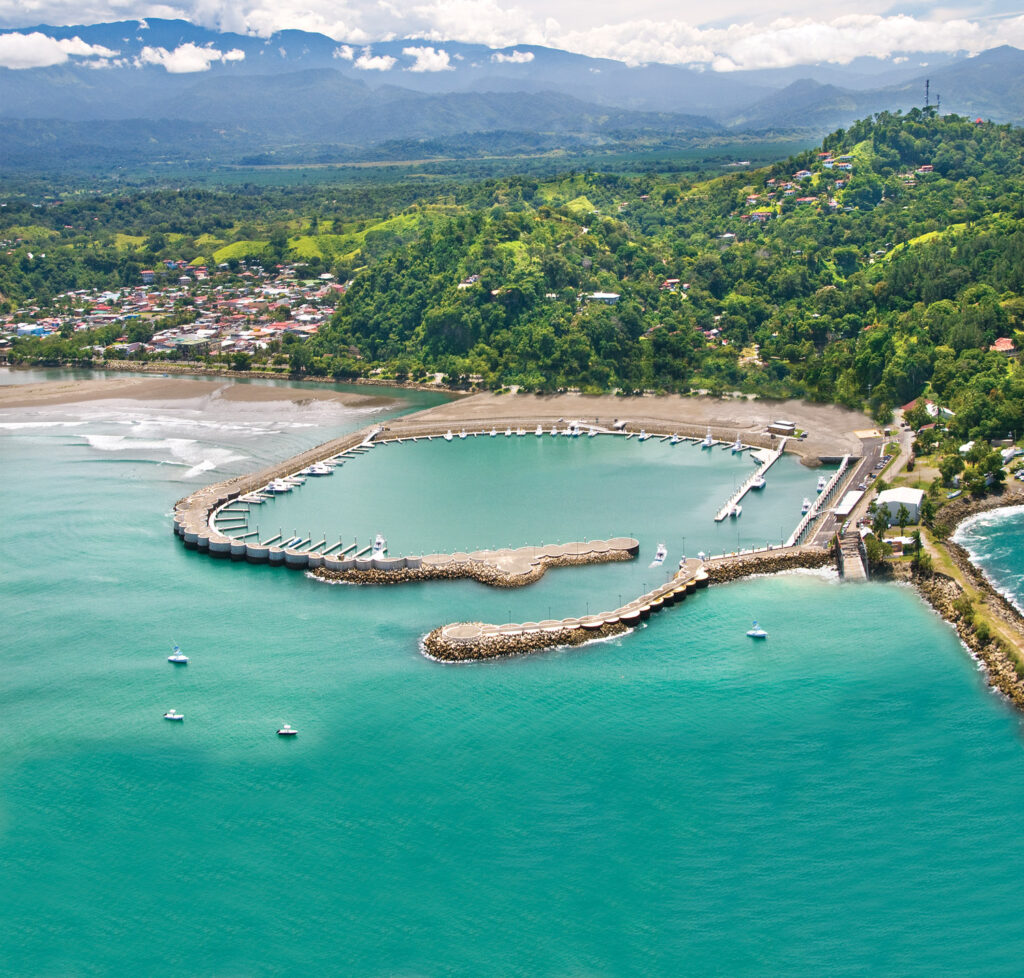
- Case Study 1: Regenerative Hospitality / Master-Planned Community — A dozen subprojects in this coastal area, along a ridge were organized into a master-planned community — like a small city — that took 5 years to fully permit. “Regenerative hospitality” is the cornerstone, an ecohotel built after restoration of the coastal wetlands with support from a private lender for the cash deposit, using “regenerative design” that includes and involves the local community. This large-scale project combines more traditional CRE (new hotels and condominiums) with the value-added benefit of eco-tourism, habitat restoration and coastal wetlands protection, massive job creation in this beautiful region (exact location confidential) of Latin America.
Design assumptions lean toward “regenerative” as defined by stakeholder preferences for their own community, thus smart developers listen, plan better, then build Sustainable Communities & Smarter Cities — whatever manages to leave open space, access to nature, or for rainy areas that have overdrawn their aquifers, less pavement and better designs for watch catchment, handling of wastes, minimizing commute distances, access to transportation, etc.
- Case Study 2: Modern Commercial Building in a Developing Country. A 21-floor, mixed-use commercial office and retail center located in Commercial Business District of Kigali, Rwanda (location changed to uphold client confidentiality). Typical tenants in this district are larger multinational corporations and development finance institutions such as World Bank Group. Although the developers had a complete business plan and financial model, consultants provided some of the core expertise (instead of coming from the on-site management team), which would have stopped other investors from taking the project seriously.
There were concerns about changing weather patterns affecting drainage and/or site stability, but this got resolved. Completion assured via a guarantee using assets pledged from prior projects, which secured the new funding. The parties used these assets as collateral to obtain a Standby Letter of Credit (SLOC) from their local bank. Following Central Bank clearances, the smaller issuing bank involved partners at European Bank for Reconstruction & Development (EBRD) to strengthen the SLOC. EBRD involved a bank on their end to relay the MT-760 SWIFT with SLOC face value at 80% of the project’s financing, then hardcopy send to our family office’s bank to reach closing in 2023. The project was partially built when draws began to flow, enabling accelerated completion and commissioning, expected by late 2025.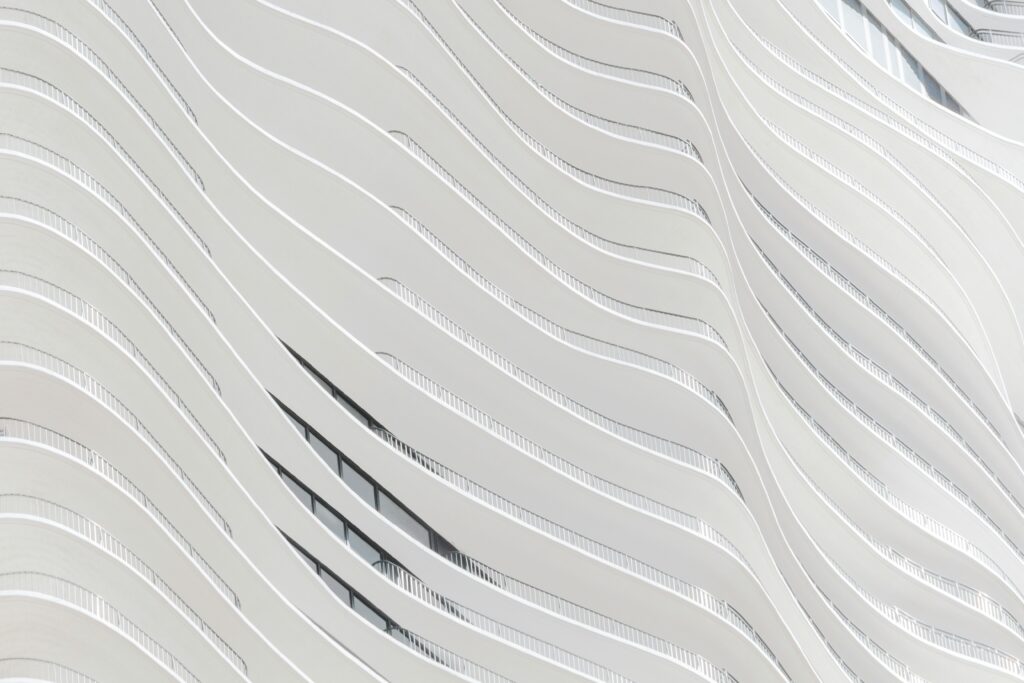
- Case Study 3: New Hotel Construction. A hotel developer working in Sri Lanka (placeholder image) selected a well-established General Contractor to build the project, and asked this firm’s senior management if they might be willing to offer a direct Standby Letter of Credit (SbLC) to accelerate the project and ensure payment.
Upon accepting this proposal, which included a completion bonus to the EPC for on-time completion, the developer contacted In3 to ensure the bank was large enough, and itself creditworthy, and that the SLOC specimen language would be workable.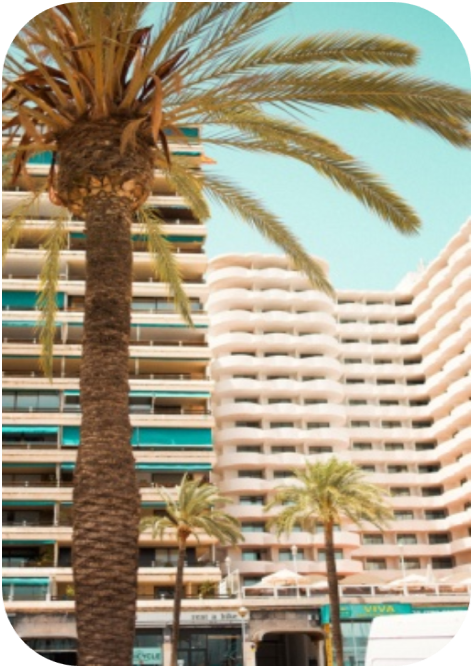
Following a site visit by the underwriters, the EPC’s bank used their customer’s long-term asset account to block and send, via SWIFT MT-799, then MT-760 and hardcopy, an SLOC nearly equal to the amount of the project’s financing to In3’s partner bank in the USA.
This arrangement enabled expedited, guaranteed funding for the construction project, reliably delivered through In3Capital’s partners, at quite favorable terms for the developer.
The project was completed in less than 24 months, and the assets underlying the SLOC released and allowed to expire on its maturity date. The EPC received final payment, plus bonus, immediately after the hotel’s commissioning.
- Case Study 4: Innovative Building Materials — Bamboo, nature’s powerhouse. A proven, award-winning way to create greener buildings uses sustainable alternatives to wood, such as timber bamboo, preserving wood from trees for its carbon capture and storage capabilities. And by mixing this advantage with more modern, Western-style building standards, irregular bamboo shapes are processed into multipurpose materials that can be used to rapidly scale in diverse applications, from wall systems, flooring, interiors, or entire homes made from bamboo. Such materials deliver superior performance to wood as well as tap the inherent advantages of bamboo — rapid growth (one of the fastest growing fibers on the planet), with groves that last easily 100 years, enabling sustainable yields, with resultant buildings that offer zero thermal bridging, zero acoustic bridging, greater energy efficiency (in the “envelope” of the home) and resultant occupant comfort. Such buildings have been described as “tight” — owing in part to the material itself. Modular buildings can be rapidly assembled (rather than “stick built”) which means these materials are also perfect for the changing weather patterns, emergency housing for climate refugees, and so on. Resource efficient housing applications: Worker housing, Student housing, Affordable or “social” housing. We have a long history of assisting companies with these three types of housing, plus several others, including senior housing, or massive-scale and affordable housing for the developing world using local materials, housing built with timber bamboo wall systems, bamboo-related panels for interiors, manufacturing of modular houses, and more.
- The award received for both the material and the resultant “biochar” is a Carbon XPrize.
- See Solving the Housing Crisis for an additional case study on new urban designs that include access to renewable energy, organic food, water and wastewater (greywater and sewer) management, and “smart” or walkable, mixed-use, multi-family, and special-purpose homes.
Real Estate Examples
As modern travelers wish to have experiences rather than just buy more stuff, the eco-tourism industry represents an all-win situation for people/planet/profit.
- Case Study 2: Modern Commercial Building in a Developing Country. A 21-floor, mixed-use commercial office and retail center located in Commercial Business District of Kigali, Rwanda (location changed to uphold client confidentiality). Typical tenants in this district are larger multinational corporations and development finance institutions such as World Bank Group. Although the developers had a complete business plan and financial model, consultants provided some of the core expertise (instead of coming from the on-site management team), which would have stopped other investors from taking the project seriously.
There were concerns about changing weather patterns affecting drainage and/or site stability, but this got resolved. Completion assured via a guarantee using assets pledged from prior projects, which secured the new funding. The parties used these assets as collateral to obtain a Standby Letter of Credit (SLOC) from their local bank. Following Central Bank clearances, the smaller issuing bank involved partners at European Bank for Reconstruction & Development (EBRD) to strengthen the SLOC. EBRD involved a bank on their end to relay the MT-760 SWIFT with SLOC face value at 80% of the project’s financing, then hardcopy send to our family office’s bank to reach closing in 2023. The project was partially built when draws began to flow, enabling accelerated completion and commissioning, expected by late 2025.
- Case Study 3: New Hotel Construction. A hotel developer working in Sri Lanka (placeholder image) selected a well-established General Contractor to build the project, and asked this firm’s senior management if they might be willing to offer a direct Standby Letter of Credit (SLOC) to accelerate the project and ensure payment.
Upon accepting this proposal, which included a completion bonus to the EPC for on-time completion, the developer contacted In3 to ensure the bank was large enough, and itself creditworthy, and that the SLOC specimen language would be workable.
Following a site visit by the underwriters, the EPC’s bank used their customer’s long-term asset account to block and send, via SWIFT MT-799, then MT-760 and hardcopy, an SLOC nearly equal to the amount of the project’s financing to In3’s partner bank in the USA.
This arrangement enabled expedited, guaranteed funding for the construction project, reliably delivered through In3Capital’s partners, at quite favorable terms for the developer.
The project was completed in less than 24 months, and the assets underlying the SLOC released and allowed to expire on its maturity date. The EPC received final payment, plus bonus, immediately after the hotel’s commissioning.
- Case Study 4: Innovative Building Materials — Bamboo, nature’s powerhouse. A proven, award-winning way to create greener buildings uses sustainable alternatives to wood, such as timber bamboo (preserving wood from trees for its carbon capture and storage capabilities). But by using more modern, Western building codes, irregular bamboo can be processed into standard materials that advantage of scale, livability and deliver performance in line with the inherent advantages of bamboo — zero thermal bridging, zero acoustic bridging, thus greater energy efficiency and occupant comfort. Such buildings have been described as “tight” — partly due to the material itself. Modular buildings can be assembled (rather than “stick built”) with the added advantage of speed of deployment. Applications include:
- Affordable and resource efficient housing — worker housing, student housing, social housing. We have a long history of assisting companies with these three types of housing, plus several others, including senior housing, massive-scale and affordable housing for the developing world using local materials, housing built with timber bamboo wall systems, bamboo-related panels for interiors, manufacturing of modular houses, and more.
- See Solving the Housing Crisis for an additional case study on new urban designs that include access to renewable energy, organic food, water and wastewater (greywater and sewer) management, and “smart” or walkable, mixed-use, multi-family, and special-purpose homes.